
Overcoming gambling addiction steps to a healthier life
Understanding Gambling Addiction
Gambling addiction, also known as compulsive gambling, is a behavioral disorder characterized by an uncontrollable urge to gamble despite the negative consequences that may arise. This addiction can have devastating impacts on an individual’s personal, financial, and emotional well-being. Understanding the triggers and patterns of gambling addiction is crucial for overcoming it. Common triggers include stress, loneliness, and even boredom, which can lead individuals to seek solace in gambling as an escape. For those who are interested in exploring online options responsibly, you can find valuable information at https://uap66-australia.com/welcome-bonus/.
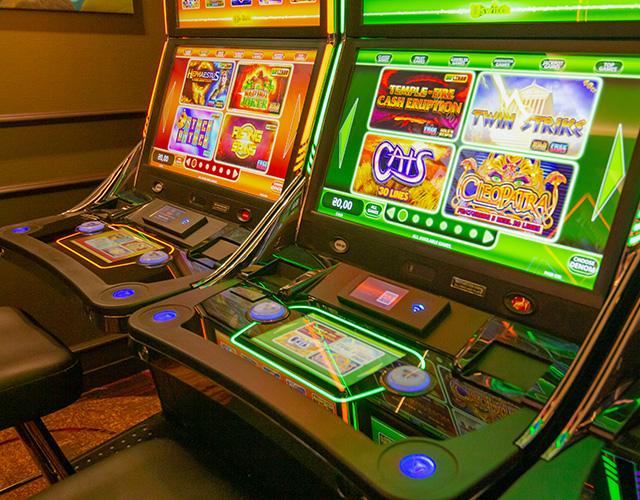
The thrill of winning can create a cycle of dependency, where the individual continuously chases the high of a win. Unfortunately, this often leads to escalating losses, causing feelings of guilt, shame, and desperation. Many gamblers find themselves lying to family and friends about their gambling habits, further deepening their isolation. Recognizing these behavioral patterns is the first step towards seeking help and reclaiming control over one’s life.
It’s important to note that gambling addiction can affect anyone, regardless of age, gender, or social background. Many people mistakenly believe that only those who gamble at casinos or online platforms are at risk. In reality, gambling can manifest in various forms, including sports betting, poker, and even lottery games. Understanding that gambling addiction is a serious issue is essential for those who find themselves or loved ones caught in its grip.
Identifying the Signs of Gambling Addiction
Recognizing the signs of gambling addiction is vital for taking the first step toward recovery. Symptoms may vary from person to person, but some common indicators include a preoccupation with gambling, an inability to control gambling habits, and lying about gambling activities. Individuals may also experience withdrawal symptoms such as irritability and restlessness when not gambling, similar to substance addiction. If you or someone you know exhibits these signs, it’s crucial to address them early on.
Financial difficulties often accompany gambling addiction, as compulsive gamblers may spend money they cannot afford to lose. This can lead to significant debts and even criminal activities in an attempt to fund their gambling habits. Additionally, relationships with family and friends may suffer as individuals prioritize gambling over social interactions and responsibilities. Understanding these signs can help individuals recognize the severity of the addiction and motivate them to seek help.
Another critical sign to watch for is the tendency to gamble as a way of coping with emotions. Many individuals use gambling as a means to escape feelings of anxiety, depression, or stress. If gambling becomes a primary coping mechanism, it can exacerbate mental health issues. By acknowledging these signs, individuals can take the necessary steps towards recovery and work toward a healthier, more balanced life.
Seeking Help for Gambling Addiction
Seeking help is a crucial step in overcoming gambling addiction. Various resources are available, including therapy, support groups, and hotlines dedicated to assisting individuals struggling with gambling-related issues. Cognitive-behavioral therapy (CBT) has proven effective in treating gambling addiction by helping individuals identify and change negative thought patterns and behaviors associated with gambling. Professional guidance can provide the necessary tools to combat urges and triggers.
Support groups, such as Gamblers Anonymous, offer a community of understanding and shared experiences, allowing individuals to connect with others who understand their struggles. These groups provide a safe space to share stories, challenges, and triumphs, fostering a sense of accountability and support. Being part of a supportive community can significantly enhance the recovery process, providing encouragement and motivation to stay on track.
Additionally, some individuals may benefit from medication that helps to manage underlying mental health conditions, such as depression or anxiety. Consulting with a healthcare professional can provide a comprehensive approach to treatment, ensuring that both the addiction and any co-occurring disorders are addressed effectively. Taking that first step to seek help can be daunting, but it is a vital part of the journey toward a healthier life.
Developing Healthier Coping Mechanisms
Once help is sought, the next critical step in overcoming gambling addiction is developing healthier coping mechanisms. This involves identifying triggers and finding alternative activities to replace gambling. Engaging in hobbies, pursuing physical fitness, or volunteering can provide fulfillment and satisfaction without the negative consequences of gambling. By redirecting focus towards positive outlets, individuals can find joy in activities that promote their well-being.
Mindfulness and relaxation techniques can also be beneficial in managing stress and anxiety, which are often triggers for gambling. Practices such as meditation, yoga, and deep-breathing exercises help individuals cultivate a sense of calm and awareness. Learning to recognize and respond to emotions without turning to gambling can create a more balanced emotional state, reducing the likelihood of relapse.
Furthermore, establishing a robust support network consisting of friends, family, and professionals can provide the encouragement needed to maintain a gambling-free lifestyle. Open communication about struggles and achievements can strengthen these relationships, fostering an environment of support that is essential for long-term recovery. Building resilience through these healthier coping mechanisms can ultimately lead to a more fulfilling and healthier life.

Responsible Gaming Practices
While the focus is on overcoming gambling addiction, it’s essential to emphasize the importance of responsible gaming practices for those who choose to engage in gambling. Understanding personal limits, setting budgets, and adhering to them can help prevent the onset of problematic gambling behavior. Individuals should always treat gambling as a form of entertainment rather than a source of income, which can help shift the mindset away from chasing losses.
Establishing time limits for gambling activities can also be an effective strategy. This approach involves setting specific times for gambling, allowing individuals to enjoy the activity without it consuming their lives. Regular breaks and reflection on the gambling experience can contribute to a more mindful approach, helping to maintain control and enjoy gambling in a healthier manner.
Furthermore, understanding the odds and risks associated with different gambling activities can empower individuals to make informed decisions. Education about the nature of gambling can foster a more critical perspective, allowing individuals to recognize when a situation may be becoming unhealthy. By adopting responsible gaming practices, individuals can enjoy their gaming experiences while minimizing the risk of developing an addiction.